By Chef Albert | The Science of Perfect Flavour
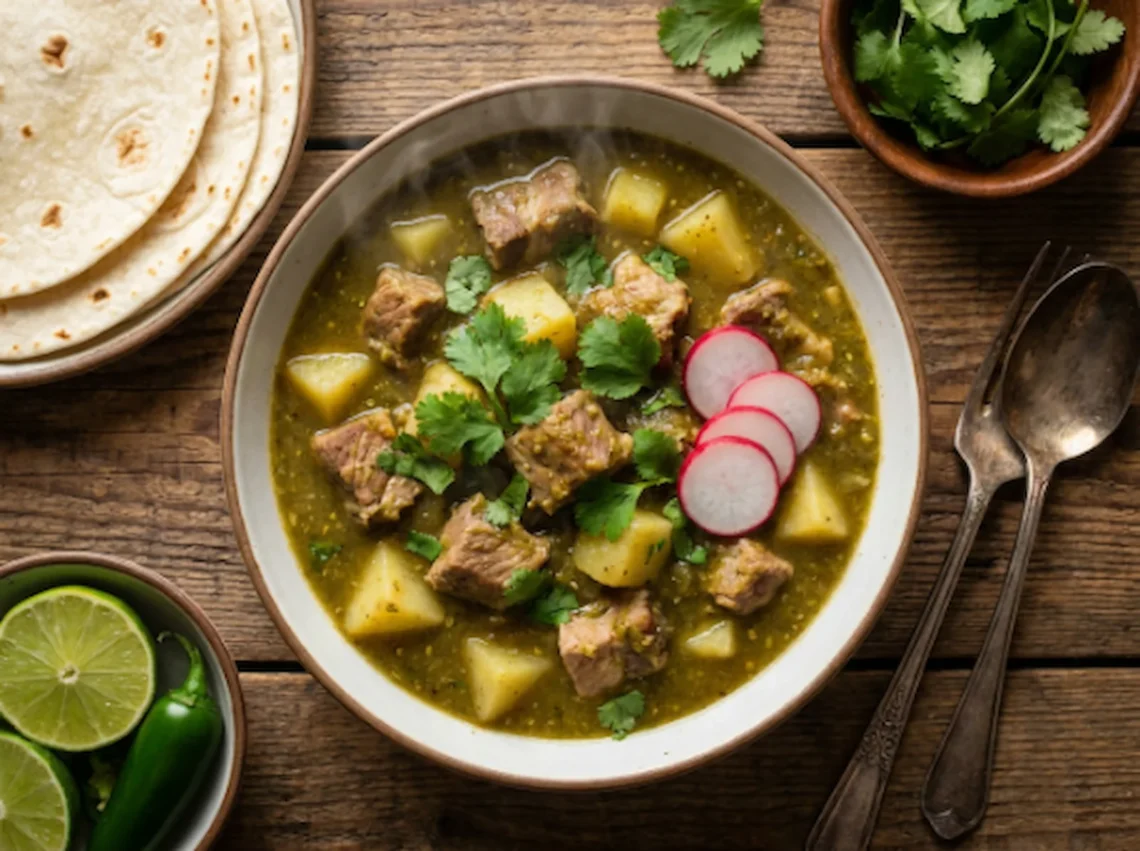
There is something deeply satisfying about a pot of chile verde simmering on the stove for hours, filling the house with the scent of roasted tomatillos, earthy cumin, and tender pork breaking down into something almost impossibly soft. This is not a dish you rush. It is the kind of cooking that rewards patience, where tough cuts of pork shoulder transform into spoon-tender pieces bathed in a bright green sauce that tastes both tangy and smoky, mild and complex all at once.
I have made pork chile verde dozens of times, adjusting the ratio of poblanos to jalapeños to find the perfect balance between earthy warmth and subtle heat, testing different potato varieties to see which ones hold their shape through a long braise without turning to mush, and learning exactly when to stop the simmer so the pork stays moist instead of drying out. The beauty of this dish lies in its deceptive simplicity. You need good pork, fresh tomatillos, green chiles, and time. Everything else is just technique.
The single biggest mistake I see home cooks make with chile verde is using the wrong potato variety or adding them too early. Russet potatoes, the fluffy baking type, fall apart completely during a two-hour braise, turning the stew cloudy and robbing you of that satisfying bite of tender potato. Yukon Golds, with their waxy texture and buttery flavor, hold their shape beautifully and soak up the green chile broth without disintegrating. Timing matters too—add them in the last hour, and they finish cooking at the exact moment the pork reaches peak tenderness.
Why Pork Shoulder Is the Only Cut That Works
Pork shoulder, also sold as pork butt or Boston butt, is a heavily worked muscle from the upper front leg of the pig. It is marbled with intramuscular fat and threaded with connective tissue, which makes it tough when cooked quickly but incredibly tender when braised slowly. The key is breaking down the collagen—the protein that holds muscle fibers together—into gelatin.
This transformation happens at temperatures between 160°F and 180°F over an extended period. When you braise pork shoulder low and slow, the collagen melts into gelatin, which then disperses into the cooking liquid, giving the stew body and a silky, rich mouthfeel. At the same time, the intramuscular fat renders out, keeping the meat moist and adding deep pork flavor to the sauce.
Lean cuts like pork loin or tenderloin do not have enough connective tissue or fat to withstand a long braise. They dry out, turn stringy, and contribute nothing to the sauce. Pork shoulder, on the other hand, gets better the longer it cooks—up to a point. Once the collagen has fully broken down and the meat is fork-tender, continued cooking will eventually dry it out as moisture evaporates. The sweet spot for cubed pork shoulder in chile verde is between two and three hours of gentle simmering.
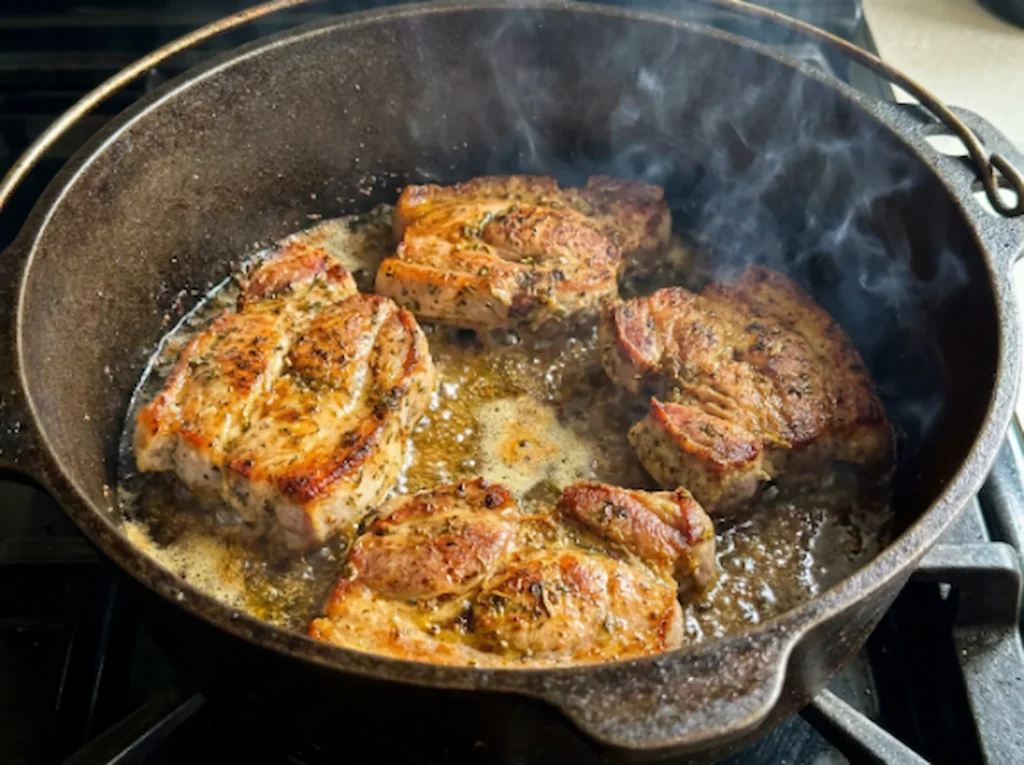
The Maillard reaction during the initial sear is what builds the foundation of flavor. When you brown the seasoned pork cubes in hot fat, amino acids and sugars on the surface react to form hundreds of new flavor compounds—savory, meaty, slightly sweet, and deeply complex. Those browned bits stuck to the bottom of the pot, called fond, dissolve into the sauce when you add liquid, amplifying the entire dish.
The Science Behind Fire-Roasted Tomatillo Sauce
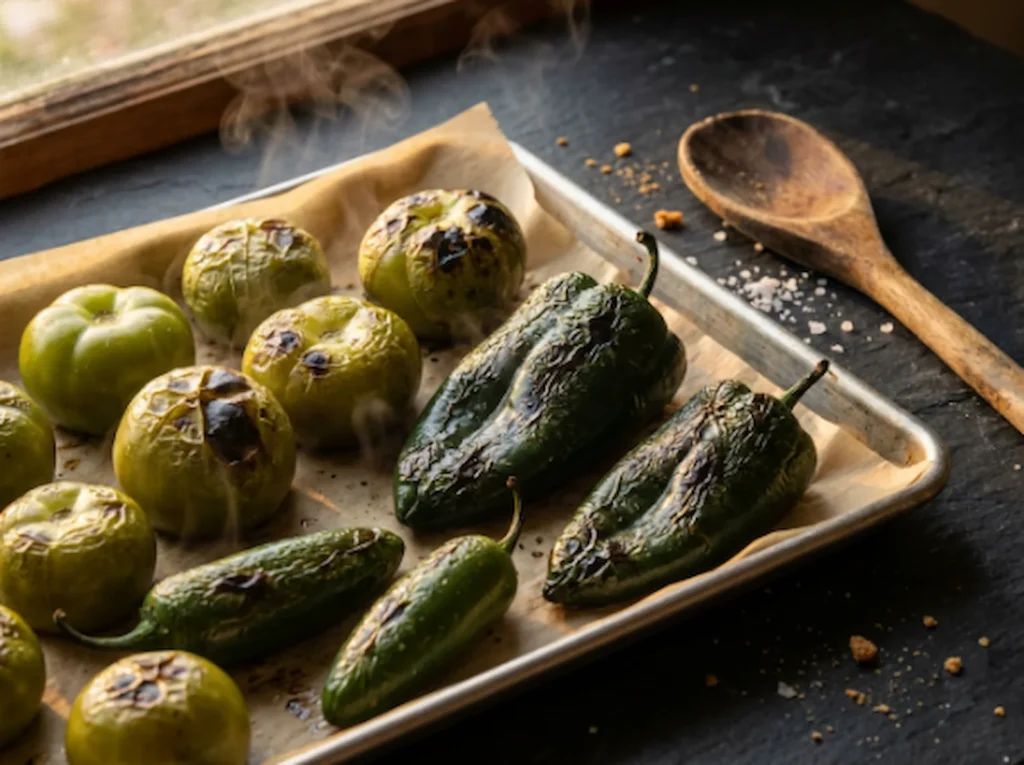
Fresh tomatillos are tart, almost lemony, with a grassy sharpness that can be overwhelming when raw. Roasting them under high heat—whether on a broiler, over an open flame, or on a hot grill—triggers two critical changes. First, caramelization concentrates the natural sugars, mellowing the sharp acidity and adding a subtle sweetness. Second, charring the skin introduces smoky, slightly bitter notes that balance the brightness of the tomatillos and give the sauce depth.
Poblano peppers contribute an earthy, mild heat with a flavor profile that is almost chocolatey when roasted. Jalapeños bring a sharper, grassier heat that cuts through the richness of the pork. By roasting all three together—tomatillos, poblanos, jalapeños—you create a unified flavor base where the individual elements blend into something greater than the sum of their parts.
The onion and garlic roast alongside the peppers and tomatillos, losing their raw bite and developing a sweet, caramelized flavor that adds backbone to the sauce. When you blend everything together with fresh cilantro, cumin, and oregano, you end up with a vibrant green sauce that is tangy, smoky, earthy, and aromatic—all the qualities that define a great chile verde.
The acidity from the tomatillos also plays a functional role in the braise. Acidic liquids help break down tough muscle fibers and connective tissue, which is why so many slow-cooked dishes rely on tomatoes, wine, or vinegar. In chile verde, the tomatillos provide that acidity naturally, while the chicken broth adds body and savory depth without overwhelming the bright green flavors.
The Culinary Institute of America has conducted extensive research on slow-braising kinetics and starch behavior in stewing potatoes, showing that waxy potato varieties maintain structural integrity far better than starchy varieties during extended cooking times. The Culinary Institute of America
Choosing the Right Potatoes for a Long Braise
Not all potatoes behave the same way when simmered in liquid for an hour. The difference comes down to starch content. Russet potatoes are high-starch, low-moisture varieties. When cooked in liquid, the starch granules absorb water, swell, and eventually burst, releasing starch into the cooking liquid and causing the potato to fall apart. This is perfect for mashed potatoes or thickening soups, but disastrous in a stew where you want distinct, tender potato chunks.
Yukon Gold potatoes are waxy, medium-starch potatoes with a higher moisture content and a denser cell structure. They hold their shape even after extended simmering because their starch granules do not burst as easily. They also have a naturally buttery flavor and creamy texture that complements the rich pork and tangy green sauce beautifully.
Red potatoes and fingerlings are also waxy varieties that work well in stews, but Yukon Golds strike the perfect balance—firm enough to hold their shape, tender enough to absorb flavor, and flavorful enough to stand on their own.
When you add the potatoes to the pot matters just as much as which variety you choose. Add them at the beginning of the braise and even Yukon Golds will overcook and fall apart. Add them in the last hour, and they finish cooking at the exact moment the pork reaches peak tenderness, absorbing the green chile broth without turning mushy.
Buying the Right Ingredients
Pork shoulder is widely available at most grocery stores, usually sold bone-in or boneless. For this recipe, boneless is easier to work with since you are cutting it into cubes. Look for a piece with good marbling—visible white streaks of fat running through the meat. This fat is what keeps the pork moist and flavorful during the long braise. Brands like Smithfield and Farmland are reliable, but if you have access to heritage pork from a local butcher or farmers market, the flavor difference is significant.
Fresh tomatillos are sold in the produce section, usually near the tomatoes or in the Latin foods section. They should be firm, bright green, and still covered in their papery husks. Avoid tomatillos that feel soft or have brown spots—they are past their prime. Remove the husks and rinse the tomatillos under warm water to remove the sticky residue on the skin before roasting.
Poblano peppers are large, dark green chiles with a mild heat and earthy flavor. They are widely available at supermarkets like Whole Foods, Trader Joe’s, Kroger, and Safeway. Look for peppers that are firm, glossy, and heavy for their size. Jalapeños should be bright green and firm—avoid any with wrinkled skin or soft spots.
For Mexican oregano, check the spice aisle or the Latin foods section. Mexican oregano has a more citrusy, earthy flavor than Mediterranean oregano, and it is worth seeking out for authentic flavor. Brands like Simply Organic and La Flor carry high-quality Mexican oregano.
Yukon Gold potatoes are sold at nearly every grocery store, usually in 5-pound bags or loose in the produce section. Look for potatoes that are firm with smooth skin and no green spots or sprouts.
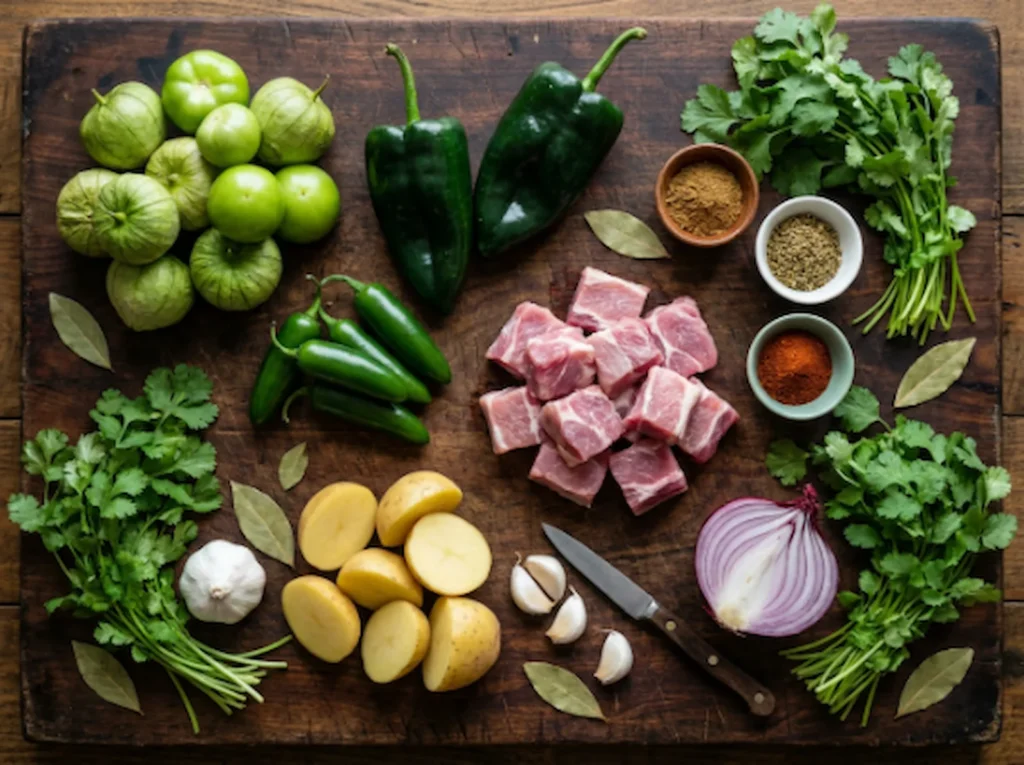
Ingredients
| For the Roasted Green Chile Sauce | US Customary | Metric |
|---|---|---|
| Fresh Tomatillos (husked and rinsed) | 1.5 lbs | 680g |
| Poblano Peppers (halved and seeded) | 2 medium | 2 medium |
| Jalapeño Peppers (halved) | 2 medium | 2 medium |
| Yellow Onion (quartered) | 1 large | 200g |
| Fresh Garlic Cloves (peeled) | 5 cloves | 20g |
| Fresh Cilantro Leaves | 1/2 cup | 15g |
| Ground Cumin | 1 tbsp | 6g |
| Dried Mexican Oregano | 1 tsp | 2g |
| Kosher Salt | 1.5 tsp (divided) | 9g |
| For the Pork Stew & Assembly | US Customary | Metric |
|---|---|---|
| Boneless Pork Shoulder / Pork Butt (cubed into 1.5-inch pieces) | 3.5 lbs | 1600g |
| Yukon Gold Potatoes (peeled and cubed into 1-inch pieces) | 1.5 lbs | 680g |
| Vegetable Oil or Lard | 2 tbsp | 30ml |
| Low-Sodium Chicken Broth | 2 cups | 480ml |
| Black Pepper | 1/2 tsp | 3g |
| Fresh Radishes (sliced, for garnish) | 4–6 radishes | 50g |
| Warm Corn or Flour Tortillas (for serving) | 8–12 tortillas | 8–12 tortillas |
Common Mistakes and How to Avoid Them
| The Mistake | What Actually Happens | The Fix |
|---|---|---|
| Using russet potatoes instead of Yukon Golds | The potatoes disintegrate during the long braise, turning the stew cloudy and mushy | Use waxy Yukon Gold or red potatoes that hold their shape, and add them in the last hour of cooking |
| Skipping the sear on the pork | The stew tastes flat and one-dimensional without the deep, caramelized flavors from browning | Sear the pork cubes in batches over medium-high heat until deeply golden on all sides |
| Adding the potatoes at the start of the braise | Even waxy potatoes will overcook and fall apart if simmered for 2+ hours | Add the cubed potatoes after the pork has cooked for 1.5 hours, then simmer for another 45–60 minutes |
| Boiling the stew instead of simmering | High heat causes the pork to dry out and toughen instead of becoming tender | Keep the heat low enough that you see only gentle bubbles breaking the surface—never a rolling boil |
| Not tasting and adjusting seasoning at the end | The stew can taste underseasoned since the liquid reduces and flavors concentrate over time | Taste the finished stew and add salt, a squeeze of lime, or a pinch of cumin to brighten the flavors |
| Using pre-ground cumin that has been sitting in the pantry for years | Old cumin loses its aromatic oils and tastes dusty and flat | Use fresh ground cumin or buy whole cumin seeds and toast them lightly before grinding for maximum flavor |
Step-by-Step Method
Roasting the Green Chile Matrix
Preheat your oven broiler to high and position the rack about 6 inches from the heating element. Arrange the husked and rinsed tomatillos, halved poblano peppers, halved jalapeños, quartered onion, and peeled garlic cloves on a large rimmed baking sheet. You do not need to add oil—the vegetables will roast in their own moisture.
Slide the baking sheet under the broiler and let the vegetables char for 8 to 10 minutes, watching closely to prevent burning. You want the tomatillos to blister and soften, the pepper skins to blacken in spots, and the onion and garlic to caramelize deeply. The smell will be intensely aromatic—smoky, sweet, and tangy all at once.
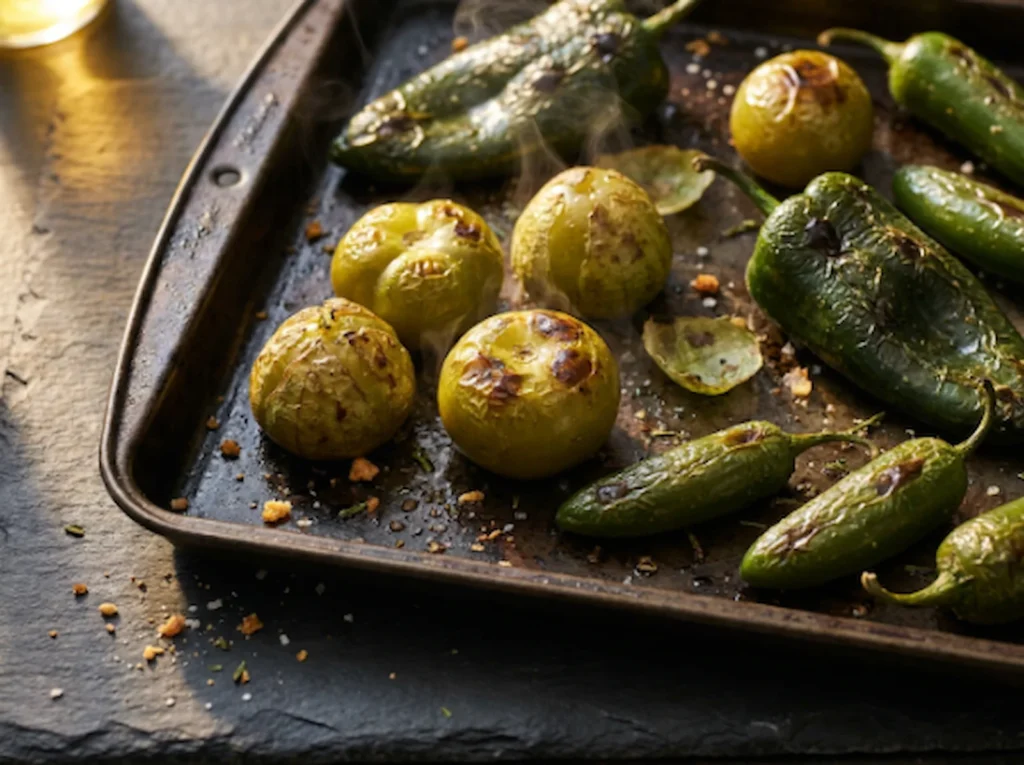
Remove the baking sheet from the oven and let the vegetables cool for a few minutes. Do not worry about peeling the charred skins off the peppers—they will blend into the sauce and add flavor. The tomatillos will have collapsed slightly and released some of their juices, which you want to include in the sauce for extra flavor and acidity.
Blending the Fresh Green Sauce
Transfer all the roasted vegetables—tomatillos, poblanos, jalapeños, onion, garlic, and any accumulated juices—into a high-speed blender. Add the fresh cilantro leaves, ground cumin, dried Mexican oregano, and 1 teaspoon of kosher salt.
Blend on medium-high speed for 30 to 45 seconds until the sauce is mostly smooth but still has a bit of texture. You do not want it completely pureed—a slightly rustic texture with small flecks of pepper skin and tomatillo adds character and body to the stew.
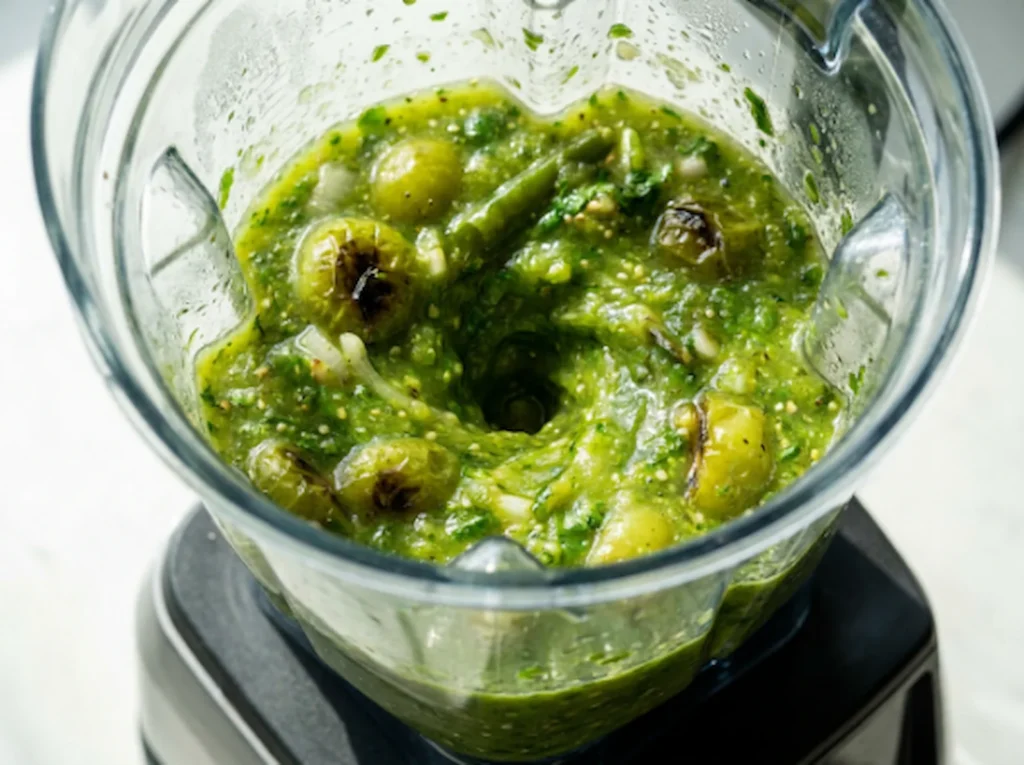
Taste the raw sauce. It should be tangy, smoky, mildly spicy, and deeply aromatic. If it tastes too acidic, do not worry—the long simmer will mellow it out. If you want more heat, blend in an additional seeded jalapeño or leave the seeds in one of the peppers.
Searing the Seasoned Pork Cubes
Pat the cubed pork shoulder completely dry with paper towels. This step is essential for a good sear. Any surface moisture will create steam and prevent browning. Season the pork generously on all sides with the remaining 1/2 teaspoon of kosher salt and the black pepper.
Heat a large, heavy Dutch oven or stock pot over medium-high heat for two minutes. Add the vegetable oil or lard and let it shimmer. Working in batches to avoid crowding, add the pork cubes in a single layer, making sure they do not touch each other. Let them sear undisturbed for 3 to 4 minutes until a deep golden-brown crust forms on the bottom.
Flip the pieces and sear the opposite side for another 3 to 4 minutes. Continue turning and searing until all sides are browned. Transfer the seared pork to a plate and repeat with the remaining batches.
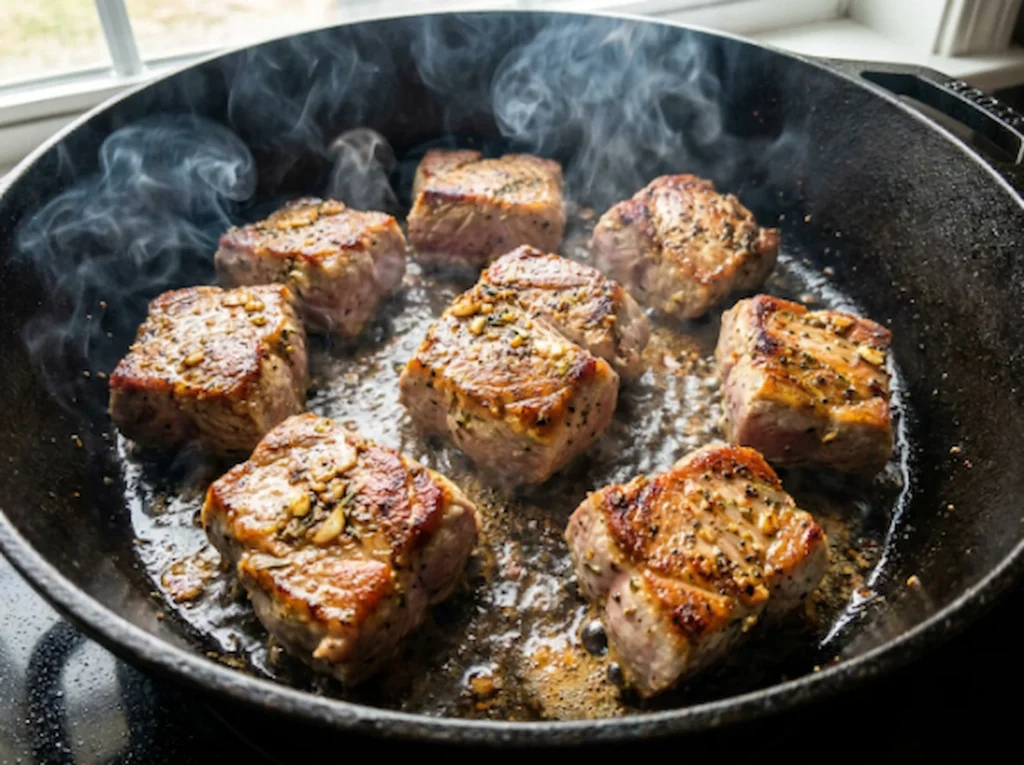
Do not rush this step. The Maillard reaction that creates those browned, caramelized bits is what gives the stew its deep, savory flavor. The fond stuck to the bottom of the pot will dissolve into the sauce and add another layer of complexity.
Combining and Simmering
Pour the blended green sauce into the hot Dutch oven, using a wooden spoon to scrape up all the browned bits from the bottom of the pot. The sauce will sizzle and steam as it hits the hot surface—this is normal. Stir in the chicken broth, then return all the seared pork and any accumulated juices back into the pot.
Bring the mixture to a boil over medium-high heat, then immediately reduce the heat to low. Cover the pot tightly with a lid and let it simmer gently for 1 hour and 30 minutes. The liquid should barely bubble—just a few gentle pockets breaking the surface every few seconds. If it is boiling vigorously, reduce the heat further.
During this time, the pork will begin to break down, the collagen will start to dissolve, and the flavors will meld together. Resist the urge to uncover the pot and stir constantly—let the slow, steady heat do its work.
Adding the Potatoes
After 1.5 hours, uncover the pot and add the cubed Yukon Gold potatoes. Press them gently under the surface of the liquid so they cook evenly. Cover the pot again and continue simmering on low heat for another 45 minutes to 1 hour, or until both the pork and potatoes are melt-in-your-mouth tender.
To test doneness, spear a piece of pork with a fork. It should fall apart easily with almost no resistance. The potatoes should be tender all the way through but still hold their shape when you lift them with a spoon.
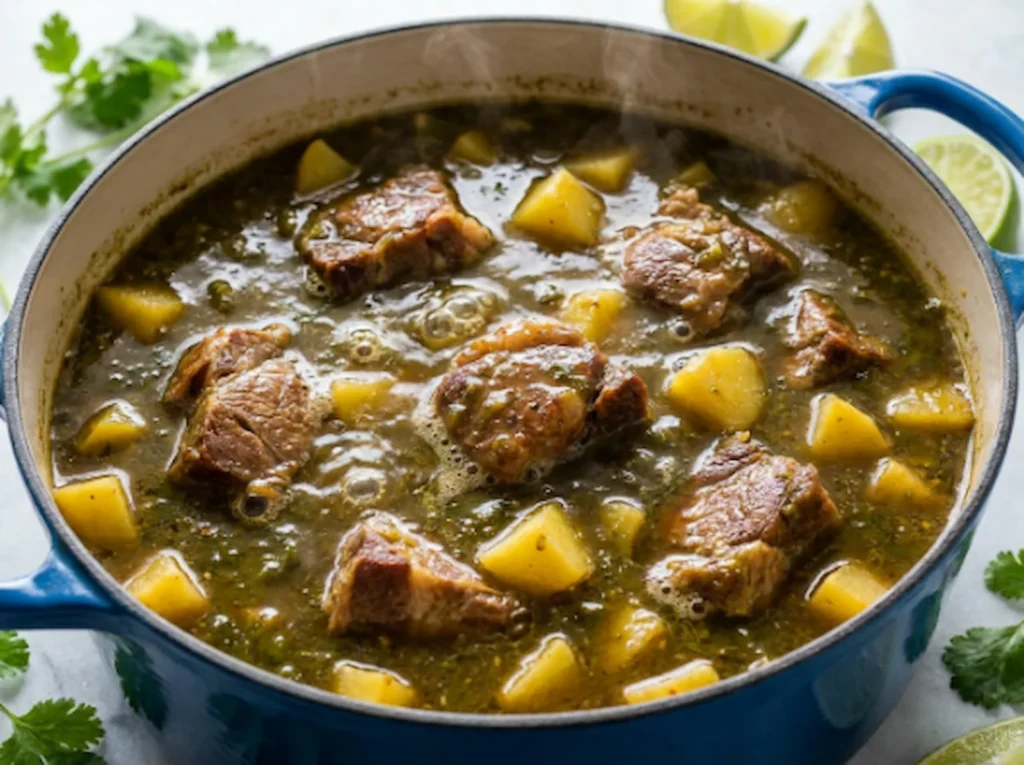
If the stew looks too thin, uncover the pot and simmer for an additional 10 to 15 minutes to reduce the liquid slightly. If it looks too thick, stir in a splash of chicken broth or water.
Adjusting Seasoning and Serving
Remove the pot from the heat and taste the broth. Depending on the saltiness of your chicken broth and the natural salinity of the pork, you may need to add another pinch of salt. A squeeze of fresh lime juice at the end brightens the entire dish and balances the richness of the pork.
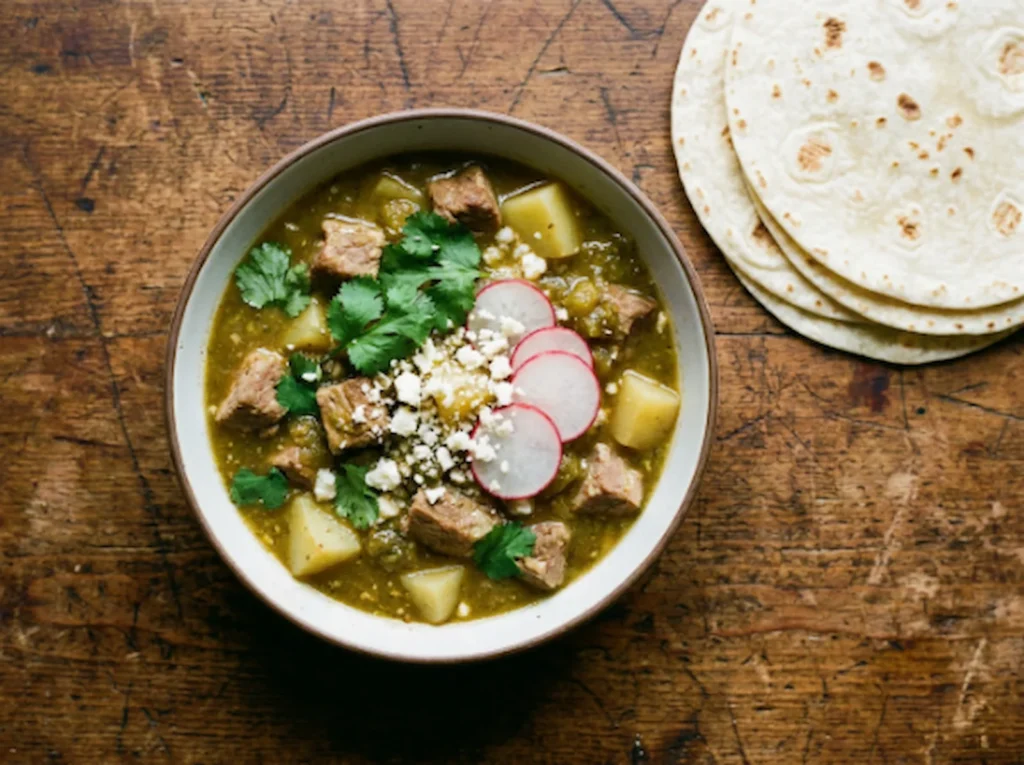
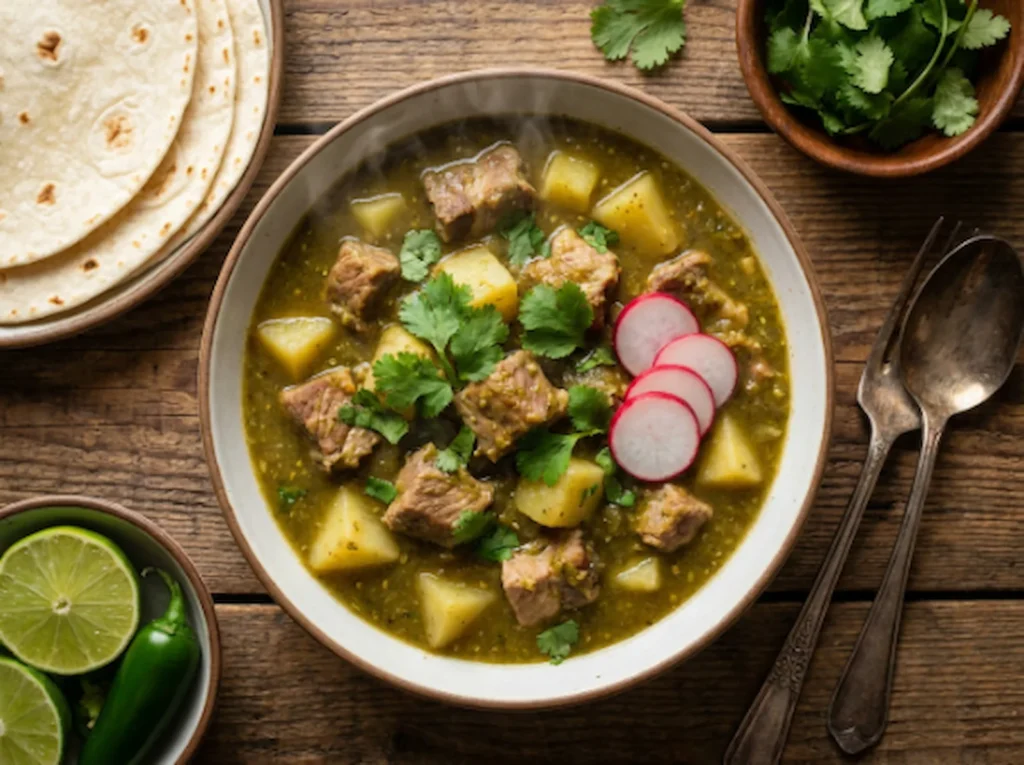
Ladle the hot pork chile verde into deep bowls, making sure each serving gets plenty of tender pork, soft potatoes, and rich green broth. Garnish with sliced fresh radishes for crunch and brightness, and a handful of chopped cilantro for freshness.
Serve with warm corn or flour tortillas on the side for scooping, and watch as people close their eyes after the first bite.
Chef Albert’s Insight
“Chile verde is one of those dishes that teaches you the value of patience. You cannot rush the braise. You cannot skip the sear. You cannot substitute convenience for quality. But when you give it the time it needs, when you let the pork shoulder break down slowly and the green sauce reduce into something thick and glossy, the reward is a dish that tastes like generations of home cooking distilled into one pot. I have made this for family gatherings, for quiet Sunday dinners, and for friends who needed comfort food that actually comforts. Every time, the reaction is the same—silence, then seconds. The magic is not in complexity. It is in understanding that tough cuts need time, that acid balances richness, and that the quiet moves—the slow simmer, the patient sear, the final taste and adjust—are what separate good food from great food. Let the stew teach you to slow down.”
— Chef Albert, TastePillar
Nutrition Information (Per Serving)
| Nutrient | Amount |
|---|---|
| Calories | 480 kcal |
| Protein | 42g |
| Total Fat | 24g |
| Saturated Fat | 8g |
| Carbohydrates | 24g |
| Dietary Fiber | 4g |
| Sugars | 5g |
| Sodium | 620mg |
| Cholesterol | 125mg |
Note: Nutrition values are estimates based on standard ingredient measurements and may vary depending on specific brands and preparation methods.
Food Safety Temperature Guide
| Cooking Stage | Target Temperature |
|---|---|
| Seared Pork Surface | 300°F – 350°F / 149°C – 177°C |
| Braising Liquid (Simmer) | 180°F – 200°F / 82°C – 93°C |
| Internal Pork Temperature (After Braising) | 190°F – 205°F / 88°C – 96°C |
| Danger Zone (Avoid holding food in this range) | 40°F – 140°F / 4°C – 60°C |
| Reheating Leftovers (Internal) | 165°F / 74°C |
The USDA recommends pork be cooked to a minimum internal temperature of 145°F for food safety, but slow-braised pork shoulder is cooked far beyond this to 190°F – 205°F to ensure the collagen fully breaks down into gelatin. [OUTBOUND_LINK: USDA Food Safety and Inspection Service]
Storage and Reheating
| Storage Method | Duration | Best Reheating Method |
|---|---|---|
| Refrigerator (in airtight container) | 4–5 days | Reheat gently in a covered pot over low heat, stirring occasionally until warmed through |
| Freezer (in freezer-safe container) | Up to 3 months | Thaw overnight in the fridge, then reheat slowly on the stovetop, adding a splash of broth if needed |
| Leftover Portions | 3–4 days | Microwave in a covered bowl on 50% power, stirring halfway through to ensure even heating |
Chile verde actually tastes better the next day. The flavors continue to develop and deepen as the stew rests, and the pork absorbs more of the green sauce. Store in an airtight container and let it cool to room temperature before refrigerating.
Frequently Asked Questions
Can I make this in a slow cooker?
Yes. After searing the pork and blending the sauce, transfer everything to a slow cooker and cook on low for 6 to 7 hours. Add the cubed potatoes in the last 1.5 to 2 hours of cooking. The flavor will be excellent, though you will lose some of the concentrated, caramelized depth that comes from stovetop reduction.
What if I cannot find fresh tomatillos?
Canned tomatillos are an acceptable substitute, though the flavor will not be as bright or complex. Drain a 28-ounce can of whole tomatillos and blend them with roasted poblanos, jalapeños, onion, and garlic. You may need to reduce the amount of added salt since canned tomatillos often contain sodium.
Can I use pork loin instead of pork shoulder?
Pork loin is too lean for this recipe. It will dry out and become stringy during the long braise. Pork shoulder has the fat and connective tissue necessary to stay moist and tender. Do not substitute.
How do I control the spice level?
Remove all the seeds and ribs from the jalapeños for a milder version. For more heat, leave the seeds in or add an additional jalapeño or serrano pepper. Poblanos are very mild, so adjusting the jalapeño is the easiest way to control heat.
Can I add other vegetables?
Yes. Diced zucchini, sweet corn kernels, or green beans can be added in the last 30 minutes of cooking. Avoid vegetables that break down easily, like tomatoes or bell peppers, which will turn mushy.
Related Recipes You’ll Love
If you enjoyed the slow-braised richness of this pork chile verde, these TastePillar recipes will expand your Mexican cooking repertoire:
Creamy Poblano Chicken (Pollo en Crema de Poblano)
The Ultimate White Queso Dip: Just Like Your Favorite Mexican Restaurant!
Better Than Chipotle: The Secret 15-Minute Cilantro Lime Rice & Barbacoa Bowl
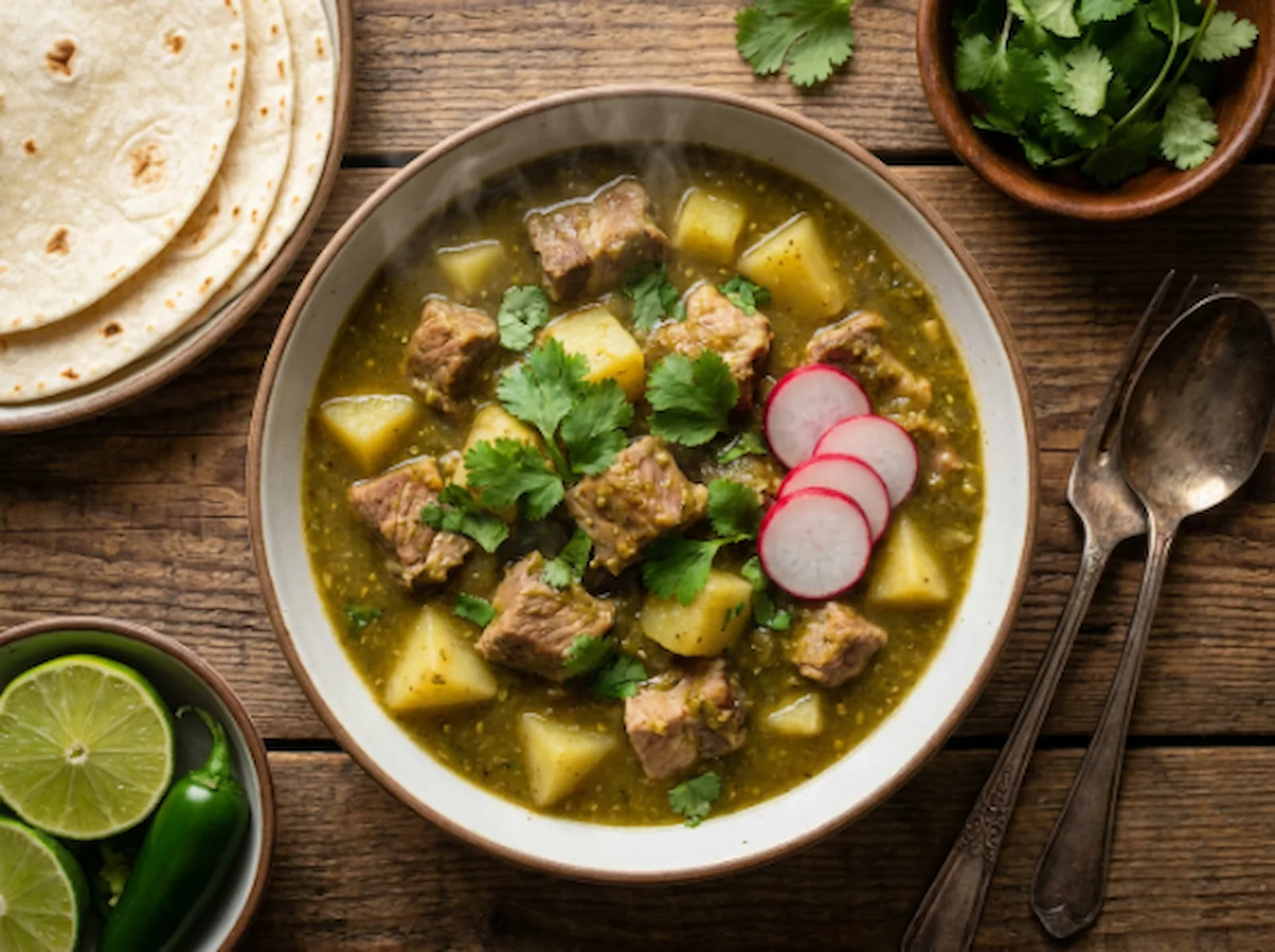
Slow-Cooked Pork Chile Verde with Tender Potatoes
Ingredients
Equipment
Method
- Roast the Vegetables: Preheat oven broiler to high. Arrange husked tomatillos, poblano halves, jalapeño halves, onion quarters, and garlic cloves on a rimmed baking sheet. Broil for 8–10 minutes until skins are blistered and deeply charred.
- Blend the Sauce: Transfer roasted vegetables and their accumulated juices into a blender. Add fresh cilantro, ground cumin, Mexican oregano, and 1 teaspoon of salt. Blend on medium-high speed until mostly smooth with slight texture remaining.
- Sear the Pork: Season cubed pork shoulder generously with remaining salt and black pepper. Heat vegetable oil or lard in a large Dutch oven over medium-high heat. Working in batches to avoid crowding, sear pork cubes for 6–8 minutes until golden brown on all sides. Transfer seared meat to a plate.
- Combine and Simmer: Pour the blended green sauce into the hot Dutch oven, scraping up any browned bits from the bottom. Stir in chicken broth, then return the seared pork and any accumulated juices back into the pot. Bring to a boil, reduce heat to low, cover tightly with a lid, and simmer gently for 1.5 hours.
- Add Potatoes: Add the cubed Yukon Gold potatoes to the pot, pressing them gently under the liquid. Cover and continue simmering on low heat for an additional 45 minutes to 1 hour, or until both the pork and potatoes are melt-in-your-mouth tender.
- Adjust and Serve: Taste and adjust seasoning with additional salt if needed. Ladle hot Pork Chile Verde into deep bowls, garnish with sliced radishes and fresh cilantro, and serve with warm corn or flour tortillas.
Notes
Why Yukon Gold Potatoes: Using Yukon Gold potatoes is recommended over Russet potatoes because their waxy texture prevents them from breaking down or turning mushy during the extended simmer. Red potatoes or fingerlings also work well.

Searing in Batches Matters: Do not crowd the Dutch oven when searing the pork. Overcrowding drops the pan temperature and causes the meat to steam instead of brown. Work in 2–3 batches, maintaining high heat between each batch.

Adjust Heat Levels Easily: For a milder chile verde, remove all seeds and ribs from the jalapeños before roasting. For more heat, leave the seeds in or add an additional jalapeño or serrano pepper to the blend.

Make-Ahead Instructions: This stew actually tastes better the next day. The flavors deepen and the pork absorbs more of the green sauce overnight. Store in an airtight container in the fridge for up to 5 days.

Freezing Protocol: Chile verde freezes beautifully for up to 3 months. Let the stew cool completely, then transfer to freezer-safe containers or heavy-duty freezer bags. Thaw overnight in the fridge and reheat gently on the stovetop.

Slow Cooker Adaptation: After searing the pork and blending the sauce, transfer everything to a slow cooker. Cook on low for 6–7 hours, adding the cubed potatoes in the last 1.5–2 hours.

Thickening the Sauce: If the stew is too thin after cooking, uncover the pot and simmer for an additional 10–15 minutes to reduce the liquid. If too thick, stir in a splash of chicken broth or water.

Serving Suggestions: Serve chile verde over warm white rice, alongside refried beans, or with a stack of warm corn tortillas for scooping. A squeeze of fresh lime juice and a sprinkle of cotija cheese elevate every bowl.

Leftover Ideas: Use leftover chile verde as a filling for burritos, enchiladas, or breakfast tacos. Spoon it over scrambled eggs with melted cheese for a hearty morning meal.

- **Tomatillo Substitution:** If fresh tomatillos are unavailable, use a 28-ounce can of whole tomatillos. Drain them well before blending with the roasted peppers, onion, and garlic. The flavor will be slightly less bright but still delicious.