
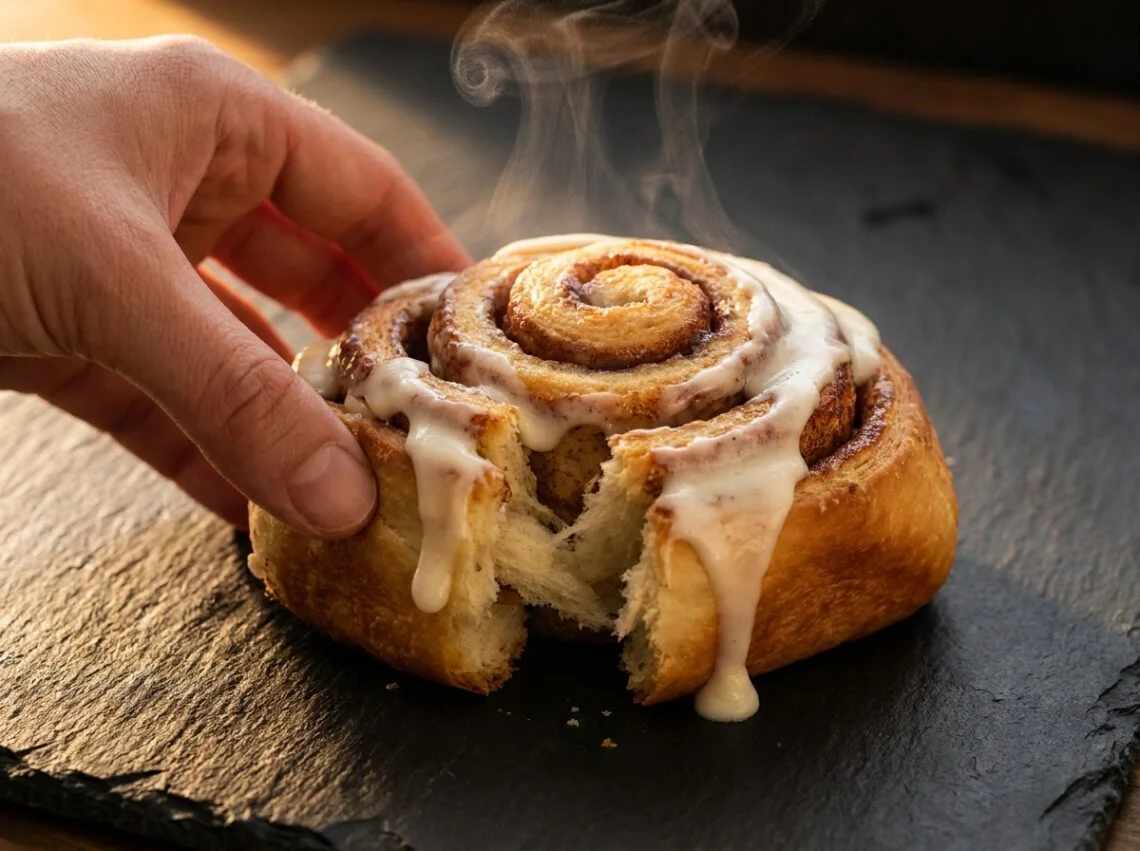
By Chef Albert | The Science of Flavor at Taste Pillar
The Problem Every Home Baker Faces (And Why Heavy Cream Changes Everything)
Here is what keeps going wrong with homemade cinnamon rolls. You follow the recipe exactly. You measure carefully. You wait through the rise. Then you pull them from the oven and within twenty minutes, they have transformed from pillowy clouds into dense, dry bread that tastes more like cafeteria rolls than anything resembling Cinnabon.
I have made Overnight Cinnamon Rolls with Heavy Cream more than seventy times in the past two years, adjusting one variable at a time to isolate exactly what makes the difference between bakery-quality rolls and disappointing home attempts. The answer is not more butter in the dough. It is not a longer rise time. It is a five-minute step that happens right before baking, and it involves heavy cream in a way most recipes completely ignore.
The secret is simple but scientifically precise. Heavy cream poured over the rolls just before they go into the oven creates a steam-rich microenvironment that fundamentally changes how moisture behaves during the baking process. The fat content in heavy cream does not just add richness. It forms a thermal buffer that slows moisture evaporation while the rolls set their structure. In simple terms, you are building a moisture safety net that keeps the rolls soft for hours, not minutes.
This is the method I use when I want results that rival the best mall cinnamon roll chains, and it works every single time.
The Chemistry Behind Flawless Overnight Cinnamon Rolls with Heavy Cream
Most cinnamon roll recipes fail because they treat moisture as a fixed ingredient. You add milk to the dough, you add butter for richness, and you hope the rolls stay soft. But moisture is not static. The moment your rolls enter a 350°F oven, water molecules begin evaporating rapidly. Gluten webbing tightens. Starches gelatinize. And unless you have created a protective environment, those water molecules escape faster than the dough can set.
Heavy cream solves this through a combination of fat content and thermal emulsion. Cream contains around 36% milk fat, compared to whole milk at just 3.5%. When you pour heavy cream between the rolls before baking, that fat creates a barrier. As the oven heats the rolls, the cream does not just sit there. It steams. The water in the cream vaporizes and saturates the air around the dough, which slows the evaporation coming from inside the rolls themselves.
At the same time, the fat molecules coat the outer layers of dough, creating what food scientists call a lipid barrier. This is not a hard crust. It is a soft, enriched surface that traps steam while staying tender. The result is a roll that bakes with moisture circulating around it, rather than escaping into the dry oven air.
Here is the simplified equation for moisture retention during the baking process:
Moisture Retention=Oven Temperature×Bake TimeFat Content (Heavy Cream)
In simple terms, higher fat content and controlled bake time at moderate heat give you maximum moisture retention. You are not just baking rolls. You are managing a steam system.
The overnight fermentation adds another layer. When dough rises slowly in the refrigerator, yeast fermentation produces more complex flavor compounds and strengthens the gluten structure without overproofing. Cold fermentation allows enzymes to break down starches into sugars, which gives you better browning and a deeper, almost buttery flavor that quick rises cannot replicate.
This is why Overnight Cinnamon Rolls with Heavy Cream are not just convenient. They are scientifically superior.

Pro Buying Guide: What to Get at USA Stores for Perfect Rolls
Not all ingredients are equal, and when you are making Overnight Cinnamon Rolls with Heavy Cream, choosing the right products makes a measurable difference.
Flour: Use bread flour, not all-purpose. Bread flour has a protein content around 12-14%, which builds stronger gluten webbing and gives you that signature pull-apart texture. I recommend King Arthur Bread Flour, available at Walmart, Target, and Whole Foods. Bob’s Red Mill Artisan Bread Flour is another excellent option at Kroger.
Heavy Cream: This is non-negotiable. You need cream with at least 36% fat. Avoid “heavy whipping cream” labeled as ultra-pasteurized if possible, as it can have a slightly cooked flavor. Organic Valley Heavy Cream or Horizon Organic work beautifully and are widely available at Trader Joe’s and Whole Foods.
Cinnamon: Standard grocery store cinnamon will not give you Cinnabon-level flavor. You want Cinnabon Makara Cinnamon, which is sold at Walmart and on Amazon. Makara cinnamon is a specific variety from Indonesia with lower volatile oil content, which means it tastes sweet and smooth, not sharp or bitter.
Butter: Use European-style butter with higher fat content for both the dough and the filling. Kerrygold Unsalted Butter is my standard. It has around 82% fat compared to 80% in standard American butter, and that extra richness is noticeable. Available at Costco, Trader Joe’s, and most supermarkets.
Cream Cheese: For the frosting, use full-fat Philadelphia Cream Cheese. Do not substitute with Neufchâtel or reduced-fat versions. The frosting needs that fat content to stay creamy and stable at room temperature.
Yeast: I prefer Red Star Platinum Yeast, which is instant yeast that works in cold dough. You can find it at Kroger and Walmart. If you are using active dry yeast, proof it first in warm milk.
Baking Dish: Use a 9×13-inch glass baking dish like Pyrex. Glass distributes heat more evenly than metal, which prevents the edges from overbaking while the center finishes. Available at Target and Walmart.
If you are serious about consistent results, consider a KitchenAid Stand Mixer. Kneading dough by hand works, but a stand mixer with a dough hook develops gluten more evenly and saves you ten minutes of effort.
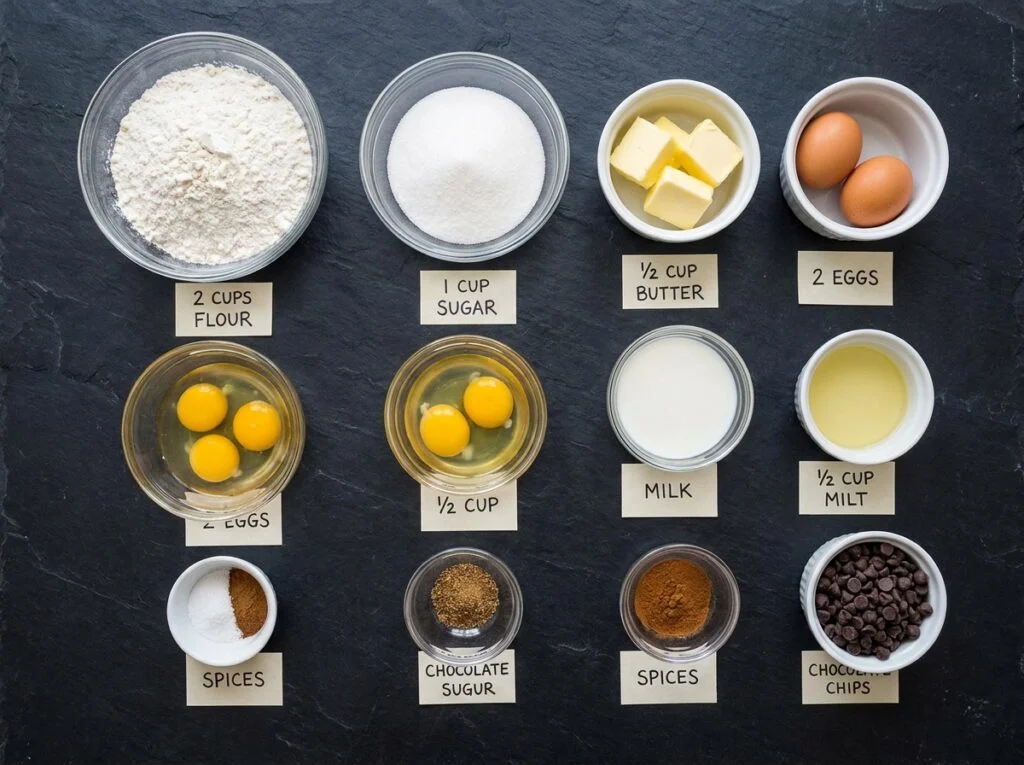
Ingredients: US Customary and Metric
| Ingredient | US Customary | Metric |
|---|---|---|
| FOR THE DOUGH | ||
| Bread flour | 4 cups | 500g |
| Granulated sugar | 1/3 cup | 65g |
| Instant yeast | 2¼ tsp | 7g |
| Salt | 1 tsp | 6g |
| Whole milk (warm, 110°F) | 1 cup | 240ml |
| Unsalted butter (melted) | 1/3 cup | 75g |
| Large eggs | 2 | 2 |
| FOR THE FILLING | ||
| Unsalted butter (softened) | ½ cup | 115g |
| Light brown sugar (packed) | 1 cup | 200g |
| Makara cinnamon | 2 Tbsp | 15g |
| FOR THE HEAVY CREAM HACK | ||
| Heavy cream | 1 cup | 240ml |
| FOR THE FROSTING | ||
| Cream cheese (softened) | 8 oz | 225g |
| Unsalted butter (softened) | ¼ cup | 60g |
| Powdered sugar | 2 cups | 240g |
| Vanilla extract | 1 tsp | 5ml |
| Heavy cream | 2 Tbsp | 30ml |
Yield: 12 large rolls
Prep Time: 30 minutes
Rise Time: 8 hours (overnight in fridge)
Bake Time: 25 minutes
Total Time: 9 hours (mostly hands-off)
Common Mistakes That Ruin Overnight Cinnamon Rolls with Heavy Cream
| The Mistake | What Actually Happens | The Fix |
|---|---|---|
| Using all-purpose flour instead of bread flour | Weak gluten structure leads to rolls that fall apart and lack chew | Always use bread flour with 12-14% protein content |
| Pouring heavy cream too early (before the overnight rise) | Cream soaks into raw dough and creates soggy bottoms instead of steam | Pour heavy cream only after the second rise, right before baking |
| Overbaking because rolls “don’t look done” | Rolls continue cooking from residual heat; overbaking dries them out within an hour | Pull rolls at 190°F internal temp, even if tops look pale |
| Rolling dough too tight | Tight rolls restrict expansion and create dense layers with gaps | Roll gently and loosely; dough should have slight give |
| Skipping the cold overnight rise | Quick rises produce bland flavor and weak structure | Always refrigerate dough for at least 8 hours |
| Using a metal pan instead of glass | Metal pans conduct heat aggressively and overbake the edges | Use a 9×13 glass baking dish for even heat distribution |
Step-by-Step Method: The Science of Perfect Overnight Cinnamon Rolls with Heavy Cream
Step 1: Activate the Dough Foundation
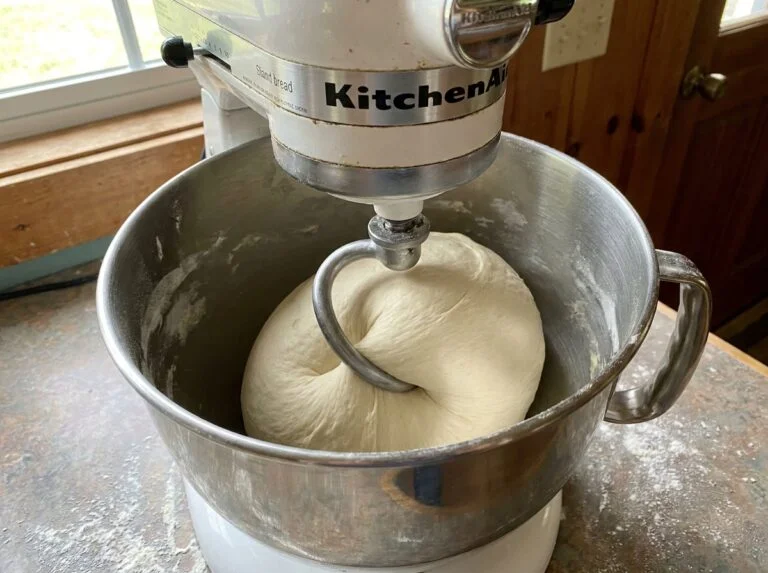
Start by warming your milk to exactly 110°F (43°C). Use a kitchen thermometer. Too hot and you kill the yeast. Too cold and fermentation stalls. In the bowl of a stand mixer, combine the warm milk, sugar, and yeast. Let it sit for five minutes until it foams. This is your proof that the yeast is alive.
Add the melted butter, eggs, and salt. Stir briefly, then add the bread flour one cup at a time. Attach the dough hook and knead on medium speed for eight minutes. The dough should pull away from the sides of the bowl and feel smooth and elastic. If it is still sticky, add one tablespoon of flour at a time until it cleans the bowl.
Gluten webbing forms during this kneading phase. The mechanical action aligns protein strands into a network that traps carbon dioxide during fermentation. This is what gives your rolls structure and chew.
Step 2: First Rise and Refrigeration
Lightly oil a large bowl. Place the dough inside, cover it with plastic wrap, and let it rise at room temperature for 90 minutes. It should roughly double in size. This first rise develops flavor and strengthens the dough structure.
After 90 minutes, punch the dough down gently to release excess gas. Cover the bowl tightly with plastic wrap and transfer it to the refrigerator. Let it rest for at least 8 hours, or up to 16 hours. This is your overnight fermentation window.
Cold fermentation slows yeast activity, which allows enzymes to break down complex starches into simple sugars. These sugars caramelize during baking, giving you a deeper golden color and richer flavor. This step is what separates bakery-quality rolls from rushed home versions.
Step 3: Roll, Fill, and Shape
The next morning, remove the dough from the fridge. Let it sit at room temperature for 20 minutes while you prepare the filling. This brief rest makes the dough easier to roll without springing back.
On a lightly floured surface, roll the dough into a 16×12-inch rectangle. Spread the softened butter evenly across the surface, leaving a half-inch border on one long edge. Mix the brown sugar and Makara cinnamon in a small bowl, then sprinkle it evenly over the butter.
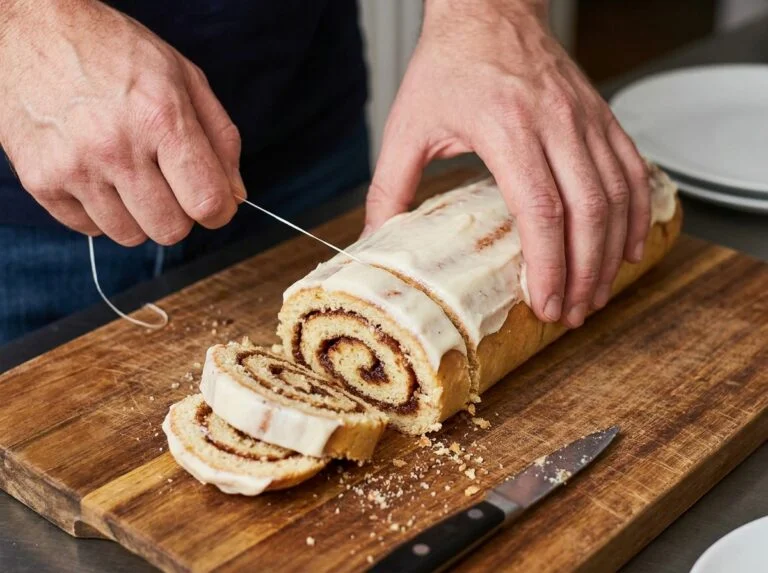
Starting from the long edge opposite the border, roll the dough into a tight log. Use unflavored dental floss to cut the log into 12 equal pieces. Slide the floss under the log, cross the ends over the top, and pull. This technique cuts cleanly without squashing the layers.
Step 4: The Heavy Cream Hack (The Game-Changer)
Arrange the 12 rolls in a greased 9×13-inch glass baking dish, cut side up. Cover loosely with plastic wrap and let them rise at room temperature for 60 to 90 minutes, until puffy and nearly doubled.
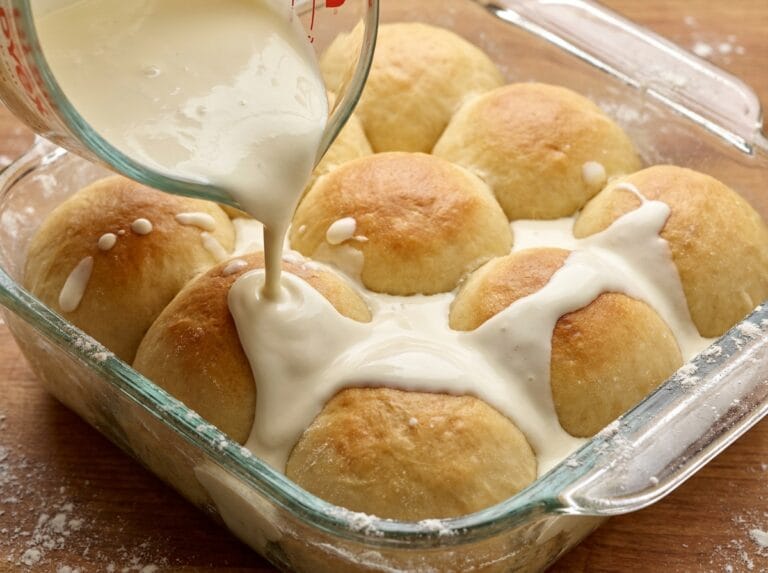
Here is where the magic happens. Just before baking, pour 1 cup of heavy cream evenly over and between the rolls. Do not stir it in. Do not mix it. Just pour it gently so it pools in the gaps between the rolls.
This is the thermal emulsion technique. As the rolls bake, the cream steams and creates a moisture-rich environment. The fat in the cream coats the dough surfaces, slowing evaporation and keeping the interior soft. This is the single most important step for achieving Overnight Cinnamon Rolls with Heavy Cream that stay fluffy for hours.
Step 5: Bake to Precision
Preheat your oven to 350°F (175°C). Bake the rolls on the center rack for 22 to 25 minutes. The tops should be golden and the internal temperature should reach 190°F (88°C). Use an instant-read thermometer inserted into the center of a middle roll.
Do not overbake. Rolls continue to cook from residual heat after you pull them from the oven. If you wait until they look deeply browned, they will dry out within an hour.
Remove the dish from the oven and let the rolls rest for 10 minutes before frosting. This allows the steam to redistribute and the structure to set without collapsing.
Step 6: The Cream Cheese Frosting
While the rolls cool, make the frosting. In a medium bowl, beat the softened cream cheese and butter with a hand mixer until smooth and fluffy, about two minutes. Add the powdered sugar one cup at a time, beating until fully incorporated. Add the vanilla extract and heavy cream, then beat for another minute until the frosting is light and spreadable.
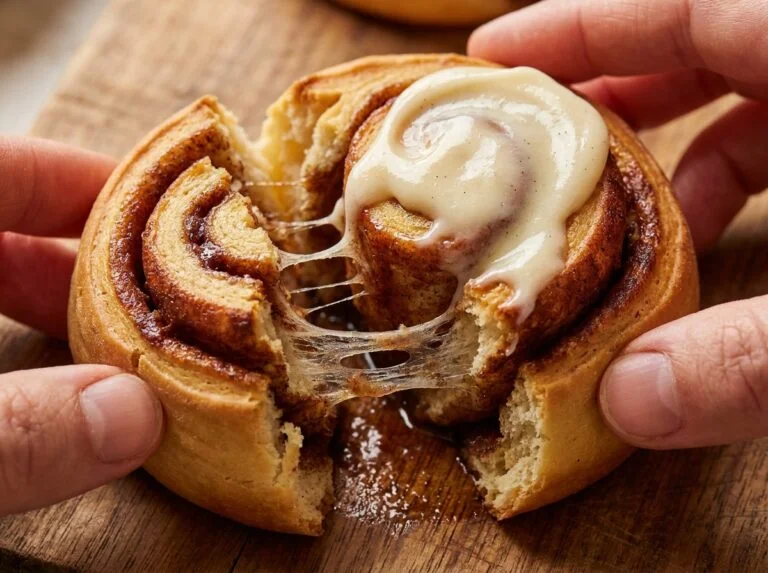
Spread the frosting generously over the warm rolls. The residual heat will melt the frosting slightly, creating a glossy, bakery-style finish.
Chef Albert’s Insight
There is something almost sacred about the rhythm of overnight dough. You mix it in the evening, let time do the work, and wake up to something that smells like comfort itself. Heavy cream is not just an ingredient here. It is insurance. It is the difference between hoping your rolls stay soft and knowing they will. I have learned that the most powerful moves in baking are the quiet ones. The patient fermentation. The steam you cannot see but can measure in every bite. This recipe is not about shortcuts. It is about understanding what moisture really means, and respecting the science that makes it last. The lesson is simple: trust the process, measure the details, and never underestimate the power of fat and time working together.
— Chef Albert, TastePillar.com
Nutrition Information (Per Roll)
| Nutrient | Amount |
|---|---|
| Calories | 440 kcal |
| Protein | 8g |
| Total Fat | 18g |
| Saturated Fat | 11g |
| Carbohydrates | 62g |
| Sugar | 28g |
| Sodium | 280mg |
| Cholesterol | 75mg |
Note: Nutrition values are estimates based on standard ingredient databases and may vary depending on specific brands used.
Food Safety & Temperature Guide
| Stage | Target Temperature | Why It Matters |
|---|---|---|
| Warm milk for yeast | 110°F / 43°C | Activates yeast without killing it |
| First rise (room temp) | 75–78°F / 24–26°C | Optimal yeast activity |
| Refrigeration | 38–40°F / 3–4°C | Slows fermentation, builds flavor |
| Dough internal temp (done) | 190°F / 88°C | Ensures fully baked interior |
| Danger zone (avoid) | 40–140°F / 4–60°C | Bacterial growth zone; do not leave rolls here for more than 2 hours |
USDA Note: Baked goods containing eggs and dairy should not be left at room temperature for more than 2 hours. Refrigerate leftovers promptly.
Storage & Reheating Guide
| Storage Method | Duration | Best Reheat Method |
|---|---|---|
| Room temperature (covered) | 6 hours | Microwave 15 seconds per roll |
| Refrigerator (airtight container) | 5 days | Microwave 20 seconds, or oven at 300°F for 8 minutes |
| Freezer (frosted, wrapped individually) | 3 months | Thaw overnight in fridge, then microwave 30 seconds |
| Freezer (unfrosted, wrapped tightly) | 3 months | Thaw, warm in oven at 325°F for 12 minutes, then frost |
Pro Tip: For best results, freeze rolls unfrosted and make fresh frosting when you reheat them.
FAQ: Overnight Cinnamon Rolls with Heavy Cream
Can I use half-and-half instead of heavy cream?
No. Half-and-half has only 10-12% fat, which is not enough to create the steam barrier and lipid protection that makes this method work. You need the full 36% fat content of heavy cream.
What if I don’t have a stand mixer?
You can knead by hand. It will take about 10 minutes of vigorous kneading on a floured surface. The dough should feel smooth, elastic, and slightly tacky but not sticky.
Can I skip the overnight rise?
Technically yes, but you will lose significant flavor depth and the rolls will have a weaker structure. If you are in a rush, let the dough rise at room temperature for 2 hours after kneading, then proceed. But the overnight method is scientifically superior.
Why do my rolls have hard edges?
This usually happens from overbaking or using a metal pan. Switch to a glass baking dish and pull the rolls at 190°F internal temp, even if the tops look pale. Residual heat will finish the job.
Can I make these dairy-free?
Not with the same results. The fat content in heavy cream and butter is essential to the moisture retention chemistry. Dairy-free substitutes will not replicate the thermal emulsion effect.
Related Recipes You’ll Love on Taste Pillar
🍞Flawless Butter Chicken Lasagna: The Creamy Indian-Italian Comfort Hack
🥐Cheesy Baked Chicken Quesadillas: The Crispy Trick You’ve Been Missing
🍪5 Scientific Flawless Virgin Mojito Secrets: The Ultimate Mint Infusion Guide
🥯The Ultimate White Queso Dip: Just Like Your Favorite Mexican Restaurant!
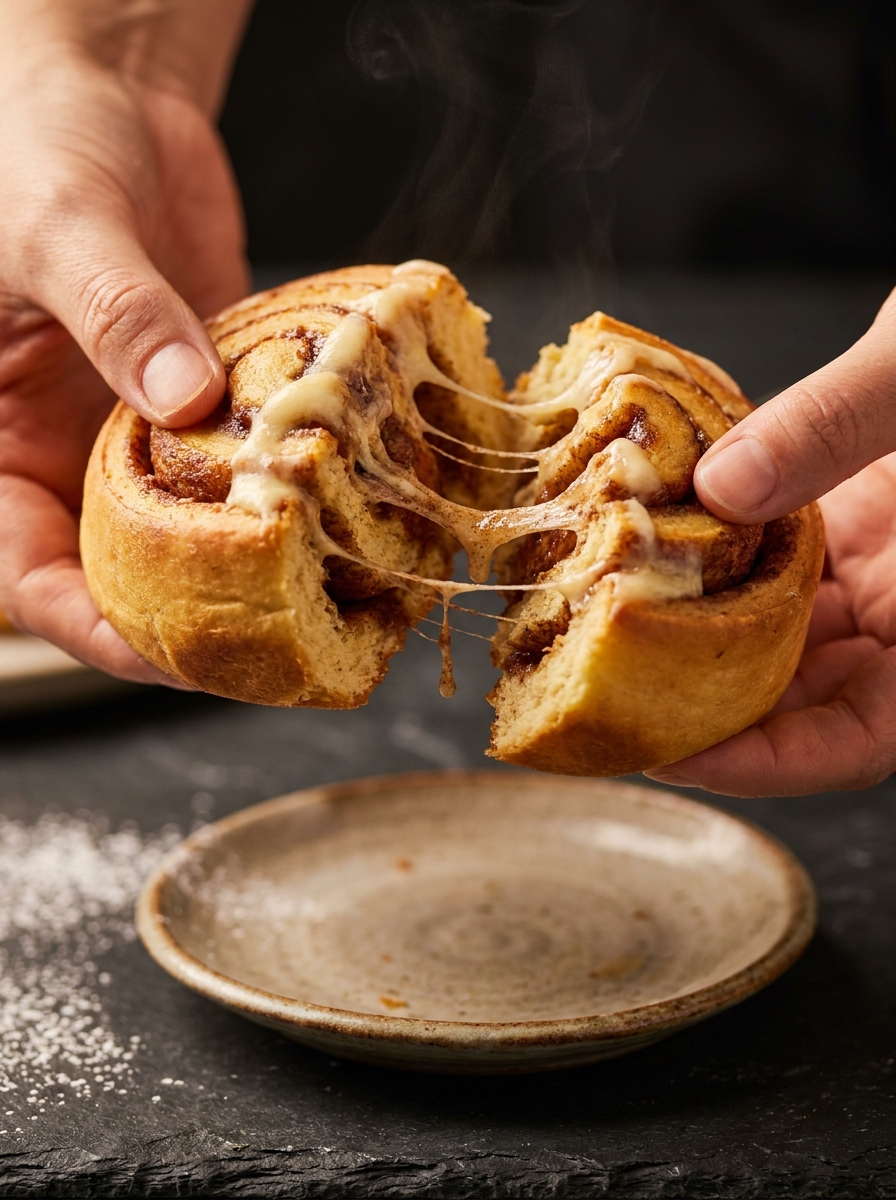
Better Than Cinnabon: The Ultimate Overnight Cinnamon Rolls with Heavy Cream
Ingredients
Equipment
Method
- STEP 1 – ACTIVATE THE DOUGH FOUNDATION:
- Warm milk to exactly 110°F (43°C). In a stand mixer bowl, combine warm milk, sugar, and yeast. Let sit for 5 minutes until foamy. Add melted butter, eggs, and salt. Stir briefly. Add bread flour one cup at a time. Knead with dough hook on medium speed for 8 minutes until dough pulls away from sides and feels smooth and elastic.
- STEP 2 – FIRST RISE AND REFRIGERATION:
- Lightly oil a large bowl. Place dough inside, cover with plastic wrap, and let rise at room temperature for 90 minutes until doubled. Punch down gently. Cover tightly and refrigerate for 8-16 hours (overnight).
- STEP 3 – ROLL, FILL, AND SHAPE:
- Remove dough from fridge and rest at room temperature for 20 minutes. Roll into a 16×12-inch rectangle on a lightly floured surface. Spread softened butter evenly, leaving a half-inch border on one long edge. Mix brown sugar and cinnamon, then sprinkle over butter. Roll into a tight log from the long edge. Use unflavored dental floss to cut into 12 equal pieces.
- STEP 4 – THE HEAVY CREAM HACK:
- Arrange rolls in a greased 9×13-inch glass baking dish, cut side up. Cover loosely and let rise at room temperature for 60-90 minutes until puffy and nearly doubled. Just before baking, pour 1 cup heavy cream evenly over and between the rolls.
- STEP 5 – BAKE TO PRECISION:
- Preheat oven to 350°F (175°C). Bake on center rack for 22-25 minutes until golden and internal temperature reaches 190°F (88°C). Do not overbake. Remove and let rest for 10 minutes before frosting.
- STEP 6 – CREAM CHEESE FROSTING:
- Beat softened cream cheese and butter with hand mixer until smooth and fluffy (2 minutes). Add powdered sugar one cup at a time, beating until incorporated. Add vanilla extract and heavy cream. Beat for 1 minute until light and spreadable. Spread generously over warm rolls.
Notes
-Always use bread flour, not all-purpose, for proper gluten structure
- Heavy cream MUST be poured just before baking, not before the overnight rise
- Use a glass baking dish for even heat distribution
- Pull rolls at 190°F internal temp even if tops look pale
- For best flavor, use Makara cinnamon (available at Walmart)
- Rolls can be frozen unfrosted for up to 3 months
- Do not substitute half-and-half for heavy cream - the fat content is critical

14 Comments on “Overnight Cinnamon Rolls with Heavy Cream”